Choose the HOWO 371 when your duty cycle is dominated by fuel economy, moderate grades and long parts availability. Choose the 420 when sustained payload, steep ramps or high-altitude work push the smaller engine to the top of its range. That short answer holds across the HOWO dump trucks lineup: the higher horsepower rating is not automatically the better buy, and the two ratings overlap more than a spec headline suggests. One caution before any numbers. Published figures for both engines vary between suppliers, so the ratings below are directional and must be confirmed against the exact engine build and order sheet you are quoted.
Engine and Power: What Separates the 371 from the 420
The clearest, most repeatable difference is displacement and rated output; in real capability the two engines sit closer than the spec gap implies. Across supplier and comparison sources the 371 is a 9.726 L six-cylinder unit, commonly the WD615.47 (Euro II), rated at 371 hp / 272 kW at 2,200 rpm. The 420 is not one fixed engine. Some listings quote a larger 11.596 L unit (D12.42-20, Euro II) rated at 420 hp / 309 kW near 2,000 rpm, while at least one supplier lists a WD615.95E (Euro III, 9.726 L family) reaching 420 hp closer to 2,200 rpm. Because displacement, emission tier and rpm all move with the engine actually fitted, verify which unit is under the cab of the specific truck you are pricing before you compare it to a 371. Where the build is the D12, peak output arrives at lower rpm, so that engine works at a smaller fraction of its ceiling under the same load. The gain shows up on long pulls, where it counts for more than the raw horsepower figure.
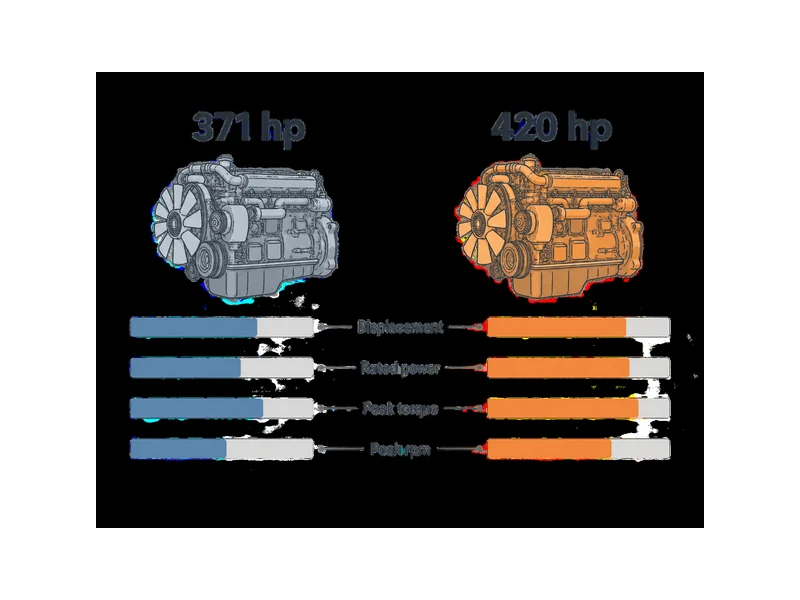
“More horsepower is better” is the assumption worth retiring before you spec either truck. For flat-to-moderate haul routes at rated weight, the 371 delivers its output where the work happens, and the extra power of the 420 mostly goes unused while you still carry its fuel cost; any purchase difference shows up only in the actual quotes you compare. The 420 earns its rating only when the load or grade keeps demanding torque the 371 cannot hold — a condition set by the job, not the brochure.
Peak torque is exactly where published data diverges, so treat it as build-specific. Supplier listings put the 371 somewhere in the roughly 1,350–1,590 N·m range and the 420 in the roughly 1,820–1,970 N·m range, and the numbers do not agree cleanly across sources. Confirm the figure on the engine plate or order documentation instead of trusting a catalog line, because a wrong assumption here changes how the truck behaves on a loaded ramp.
Drivetrain and Rear Axle Ratio: The Setting That Often Matters More
Rear axle ratio usually shapes real-world grade and fuel performance more than the 49-horsepower gap between these engines. Both trucks are commonly built on the same HW19710 10-speed gearbox (10 forward, 2 reverse), so the transmission is rarely the deciding variable. The axle ratio, by contrast, is an order-time choice: a numerically lower ratio such as 4.11 favors highway-dominant hauls, while a higher ratio such as 5.73 favors short off-highway pulls on steep ground.
Getting that ratio wrong carries a real cost. One supplier’s selection guidance associates the wrong ratio with roughly an 8–12% fuel swing under its stated route conditions. Treat that as one supplier’s estimate; it will not hold as a fleet-wide constant — though even so, it rivals the day-to-day fuel gap between a 371 and a 420. The verification step is simple and worth doing before you fixate on horsepower. Map your dominant route — average haul distance and worst sustained grade — choose the axle ratio for that profile first, then confirm the engine covers the residual demand.
A 420 on a highway-biased axle ratio and a 371 on an off-highway ratio can invert the performance you expected from the horsepower numbers alone. That is why axle ratio belongs in the conversation from the start, settled before you lock the engine.
Fuel Burn vs Purchase Premium: The Running-Cost Trade-off
The 371 is the more fuel-efficient of the two under comparable load, but the gap is modest and conditional. At 50% mixed load, commonly published supplier figures put the 371 at about 23.8 L/100 km against about 25.4 L/100 km for the 420. Fully loaded, the same sources widen that to roughly 34 vs 36 L/100 km. Read these as condition-bound reference points — actual burn depends on load, terrain, axle ratio and driving pattern.
Whether the 420 costs more to run than it returns is a payback question, not a fixed verdict. Multiply the per-kilometer fuel difference by your annual mileage, then weigh it against any purchase and parts difference your quotes actually show. On flat, moderate-load work the fuel penalty of the 420 buys capability you may never use. When you budget the two side by side, the same variables that move fuel also move the HOWO dump truck price, so lock the duty cycle before comparing sticker figures.
Payload, Grade and Duty Cycle: Matching Engine to the Job
Payload capacity is quoted two ways in the sources, and the difference is one of configuration. One editorial comparison lists a maximum cargo figure near 40 tons for both trucks. A configuration spec sheet for a 6×4 420 build instead lists payload around 25,000 kg with a 32,000 kg GVW and a 16–20 m³ body. Those figures are not contradictory so much as tied to axle count, body and how “capacity” is defined. Confirm the rated payload and GVW for the exact chassis you order before you trust a headline tonnage.
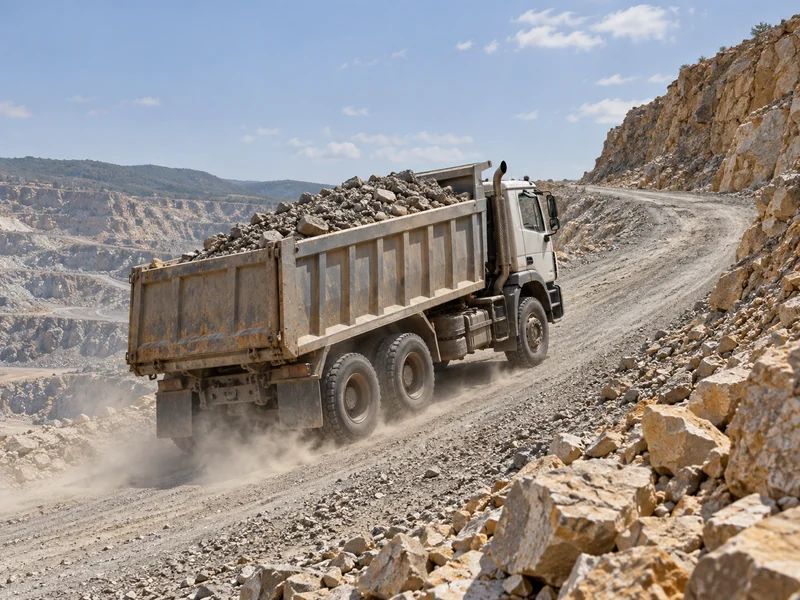
The engine choice follows the sustained work your trucks actually do. A 371 suits road construction, port and industrial haul, and moderate grades where fuel economy and cost per truck lead the decision. Both ratings can be specified on the same HOWO 6X4 dump truck chassis, so match the configuration to the quote you receive. Step up to the 420 when payload sits consistently high, when ramp grades stay steep, or when high-altitude operation thins the air enough that the smaller engine works near its ceiling every cycle. Let your duty cycle verify the choice ahead of any spec-sheet maximum: size the engine to the load and grade you run most hours, then check the peak case against the average.
Emissions and Parts Support Before You Order
Emission tier is an order-time compliance check, not a settled fact, because these engines ship in export configurations. Both trucks are commonly quoted as Euro II or Euro III builds aimed at export markets, and the 420 in particular appears in both tiers depending on the engine fitted. Confirm that the specific build meets the emissions and on-road regulations of your destination before you commit. An export-standard engine is not automatically road-legal everywhere it is sold.
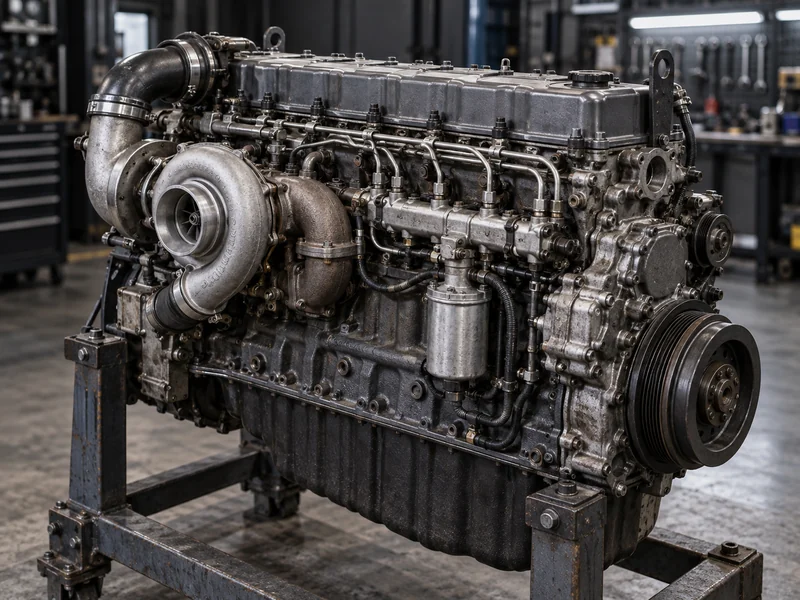
Parts support leans toward the WD615-family 371 in many markets, which is a real operating-cost factor. The WD615 line is long-established and widely stocked, so injection, turbo and wear components tend to be easier to source than for less common engine builds — a difference that shows up as uptime, not just parts price. If your routes run far from a dealer network, weigh that availability alongside horsepower, and plan how you will find spare parts for HOWO dump trucks for whichever engine you choose.
How to Spec the 371 or 420 for Your Fleet
Spec the truck by working from the job inward, not from the horsepower number outward. The order that avoids the most expensive mistakes is consistent across both ratings:
- Define the duty cycle first: worst sustained grade, typical payload, average haul distance, and site altitude.
- Choose the rear axle ratio for that route profile (highway-biased vs off-highway) before locking the engine.
- Select 371 for economy-led, moderate-duty work; step to 420 where payload, grade or altitude keep the smaller engine near its ceiling.
- Confirm the actual engine build, torque rating, emission tier and rated GVW on the order sheet, since these vary by source.
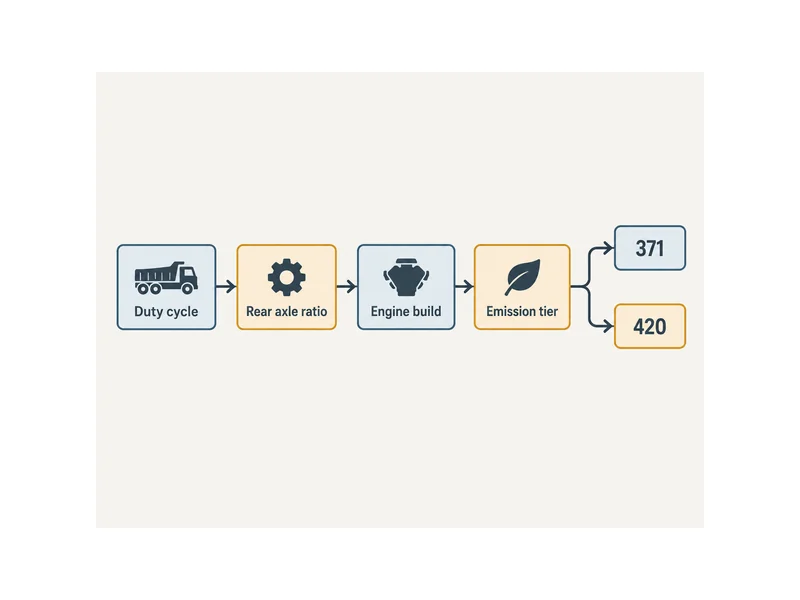
Working from the job inward keeps the decision anchored to variables you can verify instead of a rating that reads well on paper.
HOWO 371 vs 420 at a Glance
The table compares the dimensions that actually drive the choice; every figure is condition-bound and should be confirmed against the quoted build.
| Dimension | HOWO 371 | HOWO 420 |
|---|---|---|
| Engine (commonly quoted) | WD615.47, 9.726 L, Euro II | ~11.596 L (D12.42-20) or WD615.95E — verify build |
| Rated output | 371 hp / 272 kW @ ~2,200 rpm | 420 hp / 309 kW; ~2,000 rpm (D12) or ~2,200 rpm (WD615.95E) |
| Peak torque (source range) | ~1,350–1,590 N·m | ~1,820–1,970 N·m |
| Transmission | HW19710 10-speed | HW19710 10-speed |
| Rear axle ratio | Order-time option (e.g., 4.11 / 5.73) | Order-time option (e.g., 4.11 / 5.73) |
| Fuel @ 50% load (reported) | ~23.8 L/100 km | ~25.4 L/100 km |
| Payload / GVW | Config-dependent; confirm per chassis | ~25 t payload / 32 t GVW on one 6×4 spec |
| Emission tier | Euro II (export) | Euro II or Euro III — verify |
Conclusion
Match the engine to the sustained job, and the 371-vs-420 decision becomes a boundary question, not a horsepower contest. Choose the 371 when fuel economy, moderate grades, long haul distances and wide parts availability define the work — a large share of road, port and general construction haulage. Move to the 420 when payload stays high, ramps stay steep, or altitude keeps the smaller engine near its limit every cycle. Skip the upgrade when none of those conditions hold, because you would be paying the fuel penalty, plus whatever purchase difference your quote carries, for headroom the route never uses. Whichever way you lean, lock the duty cycle and axle ratio first, then confirm the engine build, torque rating, emission tier and rated GVW on the order sheet. Those are the figures that vary between suppliers and decide how the truck actually performs.
FAQ
What is the real difference between the 371 and 420 dump truck?
Displacement and rated output are the real point of separation; overall capability is closer than the ratings suggest. The 371 is a 9.726 L engine rated at 371 hp / 272 kW. The 420 is quoted in more than one build — a larger 11.596 L D12.42-20 or a 9.726 L-family WD615.95E — both rated near 420 hp / 309 kW, with the D12 version reaching peak output at lower rpm. Either way, the 420 only pulls ahead when load or grade keeps demanding torque the 371 cannot hold.
Is the 371 enough for road construction, or do I need the 420?
For road construction, port and industrial haul on moderate grades at rated load, the 371 delivers its output where the work happens and usually covers the job. Step up to the 420 when payload stays consistently high or ramps stay steep, because its larger displacement holds torque at lower engine speed and works at a smaller fraction of its ceiling on sustained climbs.
Does the extra fuel cost of the 420 pay off on steep ramps?
On steep, heavily loaded ramps the 420 earns its slightly higher burn by holding torque where the 371 would labor. Commonly reported figures show roughly 23.8 vs 25.4 L/100 km at 50% load, so the gap is small and conditional; on flat, moderate work that extra fuel buys headroom you rarely use. Weigh the per-kilometer difference against your annual mileage and route grade instead of a single headline number.
Which engine is easier to maintain and find parts for, the 371 or 420?
Parts support generally favors the WD615-family 371 in many markets. The line is long-established and widely stocked, so injection, turbo and wear components tend to be easier to source, which shows up as uptime for fleets running far from a dealer network.
When does the 420 actually justify its price over the 371?
The 420 justifies the step up when high payload, steep ramps or high-altitude operation keep the 371 near its ceiling every cycle. If your routes are flat to moderate at rated weight, the extra power mostly goes unused, and you carry the fuel penalty, plus any purchase difference your quote shows, for headroom the job never calls on.
Further Reading
- US EPA — Emission Regulations for Commercial Trucks and Buses (Heavy-Duty) — Check the US on-road emission requirements a 371 or 420 export build must satisfy before it can be certified and operated on American roads.
- TransportPolicy.net — EU Heavy-Duty Emission Standards (Euro I–VI) — See what the Euro II and Euro III tiers quoted for these engines actually limit and how they are tested, so you can read an export truck’s emission label in context.
Related Articles
- HOWO 4X2 Dump Truck — A lighter-duty 4×2 build for smaller loads and tighter sites when a 371/420 6×4 is more truck than the haul needs.
- HOWO 4X4 Dump Truck — An all-wheel-drive configuration for rugged, low-traction ground where a standard 6×4 would struggle.
- HOWO 6X6 Dump Truck — An off-road 6×6 with a higher-output engine for construction and mining on tough terrain.
- HOWO 8X4 Dump Truck — An 8×4 configuration built for maximum payload and body volume on large-scale transport.