A SITRAK truck is Sinotruk’s premium heavy-duty line, built on MAN-licensed engineering. It sits a tier above the company’s mainstream HOWO range. For buyers comparing Chinese-made heavy trucks, the real question is not whether the truck is good. It is which tier you are buying, and whether that tier matches your route, payload, and service reality. This article explains what defines a SITRAK truck, how it differs from HOWO, where its technology comes from, and how the range is structured, so you can place it correctly before requesting quotes.
What a SITRAK truck is — maker, origin, and market position
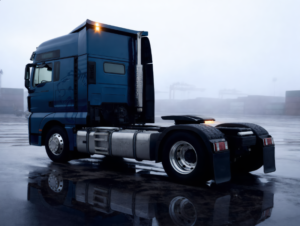
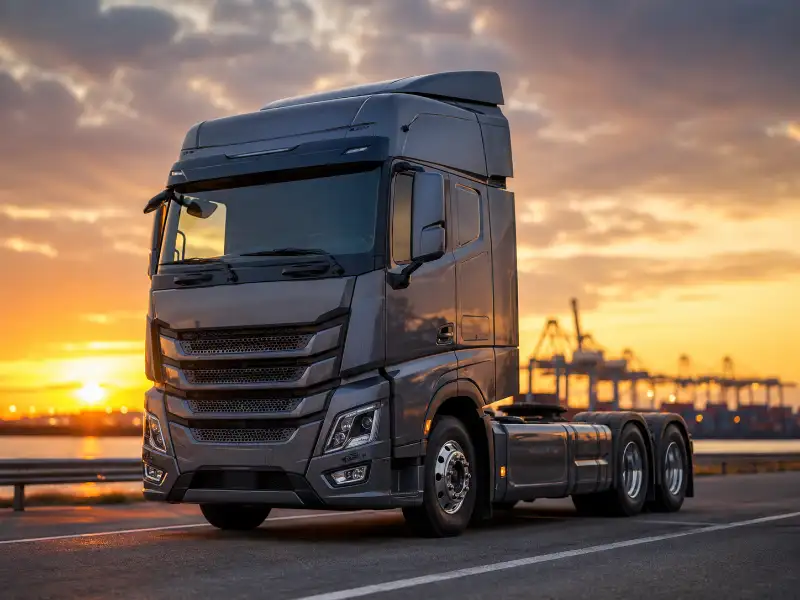
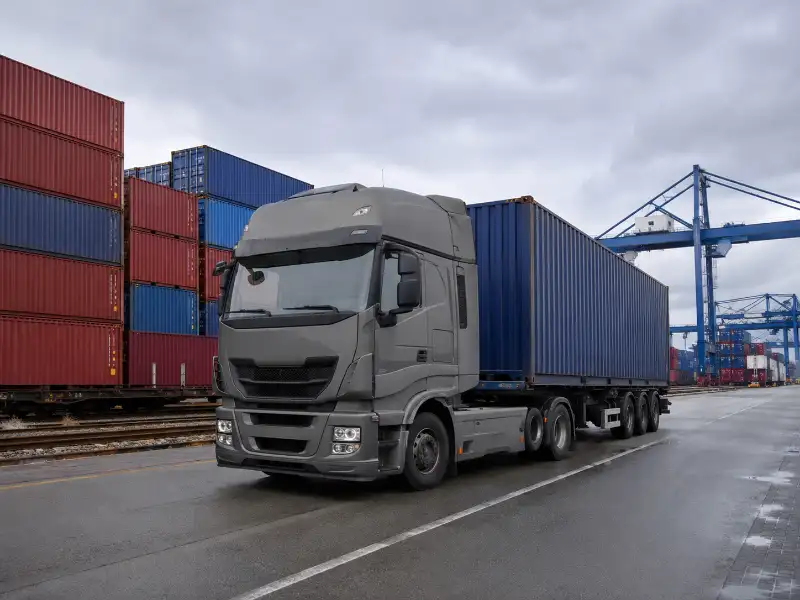
A SITRAK truck is a premium heavy-duty commercial vehicle from Sinotruk, and the right configuration depends on whether the operator needs a long-haul tractor, a construction tipper, or a specialized chassis. The brand grew out of the 2009 strategic cooperation between Sinotruk and the German manufacturer MAN. Sinotruk launched the SITRAK brand in 2011, with series production following in 2013, positioning it as a new-generation heavy truck built to European quality standards.
Sinotruk treats SITRAK as its high-end tier, not a budget workhorse. That distinction matters more than any single spec. The positioning sets the standard feature set and the kind of operation the truck suits, and it places a SITRAK a step above the price band of HOWO tractor units. Sinotruk also has a broad global export footprint. But whether a specific SITRAK series and configuration is available to you still depends on the local distributor, homologation status, emissions build, and after-sales network in the destination market. The model you can source is a market question, not a catalog question.
SITRAK vs HOWO — how the two Sinotruk brands differ
SITRAK and HOWO are both Sinotruk brands aimed at different tiers, so assuming they share the same cab, drivetrain, or price band leads to mismatched expectations. HOWO is the high-volume, utilitarian workhorse that built Sinotruk’s export reputation, and for many operations the question of whether HOWO trucks are a good fit is settled on its own merits. SITRAK sits above it as the premium, MAN-influenced line. It targets operators who weigh driver comfort, refinement, and long-cycle reliability over lowest upfront cost.
A buyer comparing a SITRAK C7H 6×4 tractor against a HOWO 6×4 tractor should not stop at horsepower. The decisive differences are usually cab comfort and suspension, engine family, transmission choice, onboard electronics, parts pricing, and whether the local workshop can support MC-series diagnostics. Two assumptions cause most of the trouble: pricing a SITRAK at HOWO levels, and sourcing parts as if the two ranges share components. The mismatch usually surfaces at procurement or the first major service, not in the showroom. Confirming which brand and series a quote refers to is the first checkpoint, because “Sinotruk truck” alone does not tell you the tier.
The MAN technology base — what the German lineage actually covers
SITRAK is built on MAN-licensed technology spanning the cab, chassis, axle, and engine, which is what separates it from purely domestically engineered ranges. Sinotruk’s own product documentation describes importing a full package of MAN assemblies and component technology across those four areas. The company then adapted it for Chinese and export conditions.
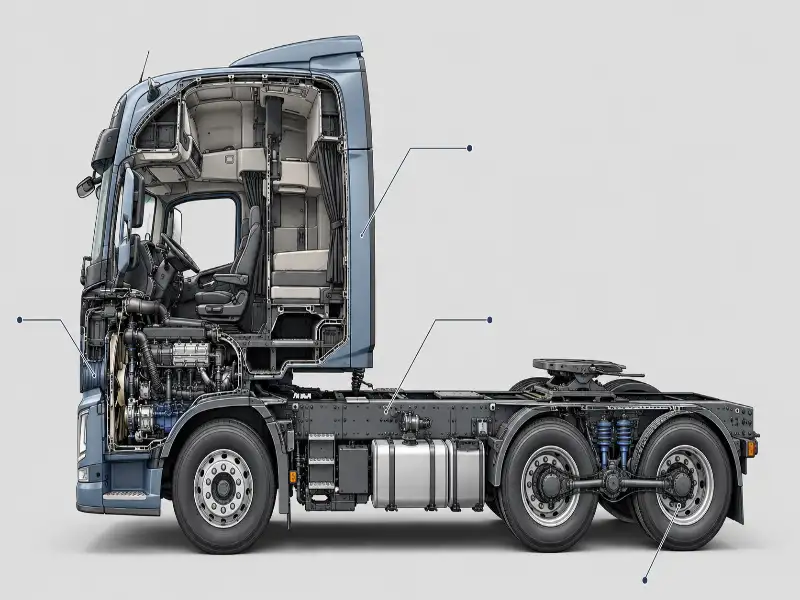
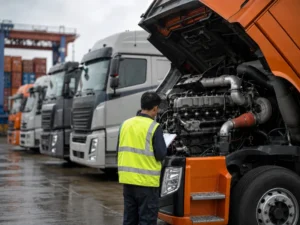
On engines, many C7H configurations use Sinotruk MC-series units developed from MAN technology. Some newer or market-specific variants may use Weichai power instead, particularly certain G-series, high-horsepower, or gas builds. Sinotruk publishes long design-life targets for major components. Those are manufacturer-stated goals under defined maintenance conditions, not guaranteed field outcomes. Real service life tracks load profile, fuel quality, and maintenance discipline. Check the engine plate and emissions certificate on the exact unit rather than assuming one figure across the range.
Main SITRAK truck types and the jobs they fit
SITRAK’s lineup spans long-haul tractors, vocational and heavier-duty builds, and specialized chassis. The right type follows route profile, payload, and duty cycle, not headline horsepower. The series naming covers C and G families, such as the C7H, C5H, and G7/G7S, and signals positioning and cab format. Actual specs still shift by market and announcement, so the name narrows the field without finalizing it.
| Series family | Safer positioning | Typical roles | What to confirm |
|---|---|---|---|
| C7H | Flagship / premium heavy-duty | Long-haul tractor, premium logistics, selected vocational builds | Engine model, emission tier, cab height, axle ratio |
| C5H | Mid-range / lighter premium | Regional haulage, mixed-duty use | Payload, transmission, axle configuration |
| G7 / G7S | Market-dependent high-spec or vocational builds | Tractor, tipper, mixer, gas-powered logistics, heavy-duty variants | Exact announced model, engine brand, chassis, fuel type, local parts support |
The numbers on any one build are best read as examples, not brand-wide rules. A published SITRAK C7H 6×4 tractor configuration, for instance, lists the following. Use it as a reference point for what a premium SITRAK tractor can carry, not as a universal spec sheet.
| Item | Example range (published C7H 6×4 tractor) | Why it matters |
|---|---|---|
| Drive type | 6×4 (4×2 and 8×4 exist on other models) | Sets route, load, and body application |
| Power | 310–540 Hp | Affects long-haul speed, fuel economy, terrain suitability |
| Emissions | Euro III–Euro V (some newer units may reach higher tiers) | Determines import eligibility |
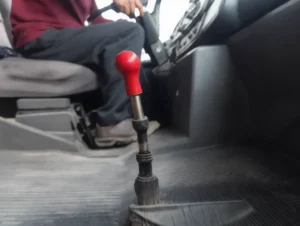
| Transmission | 10F / 12F / 16F manual, ZF AMT/MT | Affects driver comfort, serviceability, cost |
| Cab | Single bunk / double bunk variants | Important for long-haul driver hours |
The same series can carry different cab heights and drivetrain packages. The cab, axle configuration, and engine still have to be matched to the job after the series is chosen, and the logic behind choosing the right HOWO tractor model carries over directly to specifying a SITRAK.
How to confirm a SITRAK truck fits your operation
Matching a SITRAK truck to an operation comes down to a short set of checkable variables, not a single headline number. This article covers what a SITRAK truck is and how the range is structured. Homologation and import approval for a specific country are a separate process, governed by local type-approval rules and best handled with a customs or compliance specialist.
A few variables change suitability. The main ones are series and role, engine and emissions rating, cab against route length and driver hours, transmission and axle against terrain and payload, and the reach of parts and trained service in your region. A truck that fits on paper but cannot be serviced locally is the most common way a sound spec becomes an expensive one.
Documents to request before confirming a SITRAK quote
A serious quote should come with paperwork, not just a price. The same documentation discipline applies whether you are specifying a new unit or buying and exporting used HOWO trucks from China. Before committing, ask the supplier for:
- VIN / chassis number and the exact model code
- Engine model with an engine-plate photo
- Emissions certificate for the destination market
- Transmission model, and axle model with ratio
- Cab code and sleeper type
- Warranty terms and what they cover internationally
- Local parts list and fast-moving spare-parts availability
- Destination-market homologation or compliance documents
If a seller cannot produce these, that gap is itself information about the unit and the supplier.
Conclusion
Placing a SITRAK truck correctly comes down to three things. First, recognize it as Sinotruk’s premium, MAN-licensed tier, not a HOWO-class workhorse. Then match the C or G series to your route and duty cycle. Finally, confirm engine, emissions, and parts support on the exact configuration. Most buying disappointments trace back to a tier or spec assumption made before any of those was checked.
As a Sinotruk-family truck supplier, we treat that checking as the part of the process worth slowing down for. The questions that go unasked are the ones that surface later. Which series does the quote refer to? Does the emissions build match the destination market? Are parts reachable where the truck will run? We work through those build-level details with buyers up front, instead of leaving them to the first service interval.
If you are evaluating a SITRAK, or weighing it against a HOWO Truck for a specific operation, start by defining your route profile, payload, and destination-market requirements. Then have the configuration reviewed against them before requesting a firm quote. Share those parameters with us and we can help confirm which series and build fit the job.
FAQ
Who makes SITRAK trucks?
SITRAK is made by Sinotruk (China National Heavy Duty Truck Group), developed on technology licensed from the German manufacturer MAN. The brand sits within Sinotruk’s wider portfolio alongside HOWO and other ranges.
Is SITRAK the same as Sinotruk?
SITRAK is one brand within Sinotruk, not a separate company. Sinotruk is the parent group, and SITRAK is its premium heavy-duty line. So a “Sinotruk truck” may or may not be a SITRAK, depending on the brand and series named.
How is SITRAK different from HOWO?
SITRAK is positioned as the premium tier, with MAN-licensed technology and a focus on comfort and refinement. HOWO is the mainstream, higher-volume workhorse. The two differ in cab design, components, and price band, so they are not interchangeable on a spec sheet.
What engine does a SITRAK truck use?
Many C7H configurations use Sinotruk MC-series engines developed from MAN technology, while some G-series, high-horsepower, or gas variants may use Weichai engines. Confirm the engine model and its emissions rating on the specific unit rather than assuming one across the range.
Are SITRAK trucks suitable for export markets?
Sinotruk has a wide export footprint, but suitability depends on whether the unit meets local emissions and type-approval rules and whether parts and service are reachable in the region. Verify certification and support coverage before purchase.