HOWO and FAW both build capable Chinese heavy trucks, so the right choice depends on how you actually run the vehicle, not on which brand is “better.” As a truck seller in China that supplies both HOWO and FAW vehicles, we get this question from buyers every week. The honest answer usually turns on load, terrain, mileage pattern, parts radius, and the emission standard your market enforces. This comparison lines the two up across the decisions that move a purchase: brand positioning, product range and power, technology and after-sales, cost of ownership, duty-cycle fit, and emissions compliance.
Use the table for a fast read, then work through the sections that match your operation.
| Decision dimension | HOWO (SINOTRUK) | FAW (FAW Jiefang) |
|---|---|---|
| Manufacturer | SINOTRUK / China National Heavy Duty Truck Group | China FAW Group / FAW Jiefang |
| Design emphasis | Durability-first, high-torque | Technology breadth, cab refinement |
| Commonly chosen for | Heavy loads, harsh sites | Highway efficiency, driver comfort |
| Duty to match it against | Mining, construction, overloaded rough roads | Long-haul, urban and intercity logistics, cold-chain |
| Cost to confirm | Entry price and local upkeep, by model | Entry price and fuel/telematics payback, by duty |
| Verify before buying | Model power and axle rating, parts radius | Destination emission standard, spec match |
Brand background and market positioning: SINOTRUK’s HOWO and FAW Jiefang
HOWO carries a durability-first identity because it comes from SINOTRUK (China National Heavy Duty Truck Group), the maker credited with China’s first heavy trucks. That lineage shows up in the way the trucks are tuned: heavy frame rails, high-torque powertrains, and a bias toward steady pulling under stress over headline refinement.
FAW leans on breadth and technology, tracing to China FAW Group, founded in 1953, with the first Jiefang truck rolling off the line in 1956. The brand builds a wide commercial-vehicle range and positions its trucks around driver-facing systems and versatility, from construction to long-distance freight.
Export footprint matters less as prestige than as parts reach. SINOTRUK states its vehicles reach more than 50 countries and regions, which signals a broad dealer base, but the figure that actually protects uptime is whether the brand you choose can put parts and repair help within reach of your route. Confirm local parts and repair support for either badge before you weigh anything else.
Product range and performance
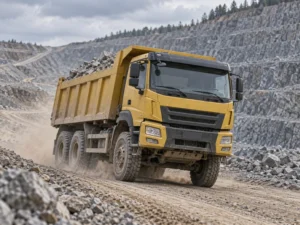
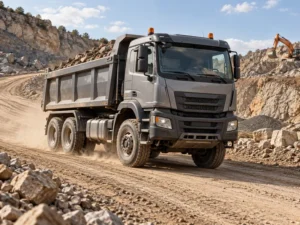
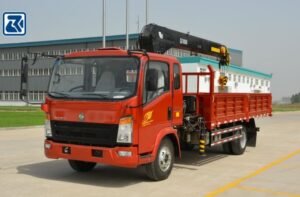
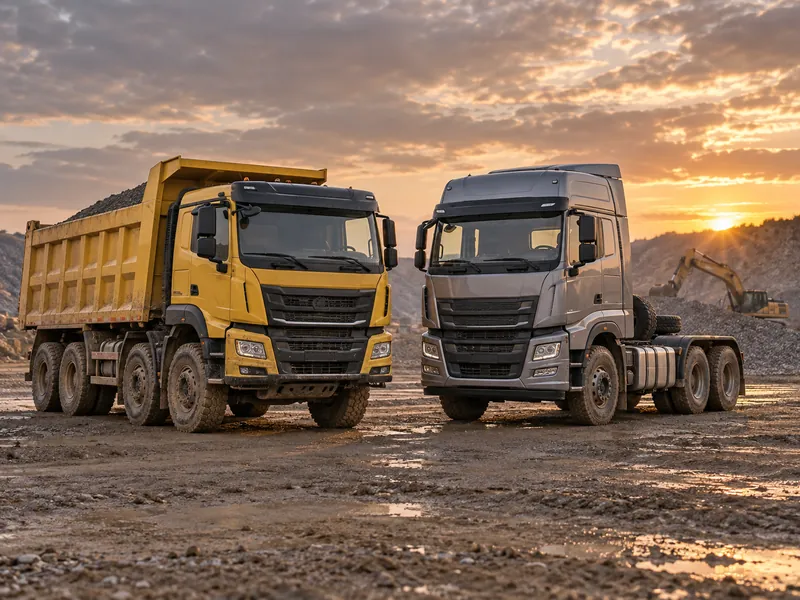
Both brands cover the same core body types, so match the model to the job before you compare brands. HOWO and FAW each offer heavy-duty tippers, tractors, concrete mixers, and dump trucks, which makes the real question spec and tune, not catalog coverage.
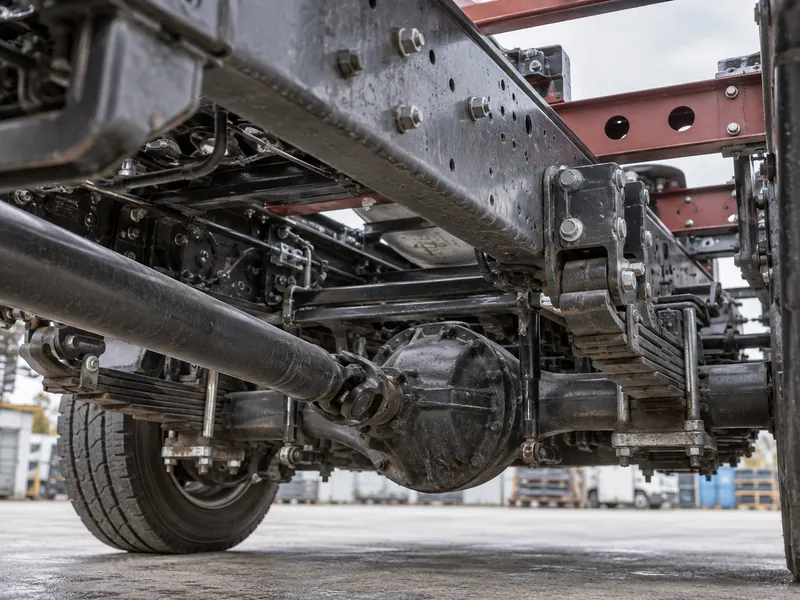
FAW publishes clear power bands for its heavy tractors, spanning roughly 240 to 460 hp on the J6P line and 460 to 640 hp on the higher J7, according to FAW’s own product materials. Those ranges make it straightforward to size a tractor to a corridor and gradient before you commit.
HOWO’s heavy range is offered across a broad power spread as well, but instead of locking onto a single published figure, confirm the horsepower, torque, and axle rating for the exact model and duty you intend to run. A tipper loaded past its plate on a mine haul road is a different engineering case than a highway tractor. The safe practice with either brand is to verify the rating against your worst-case load and grade.
Technology, telematics, and after-sales support
FAW tends to be positioned around cab and electronics, packaging driver-assist features and telematics that suit fleets tracking utilization and driver behavior across long routes. Operators who value soundproofing, ergonomics, and route data on a highway duty cycle often rate that experience highly, though the exact feature set varies by model.
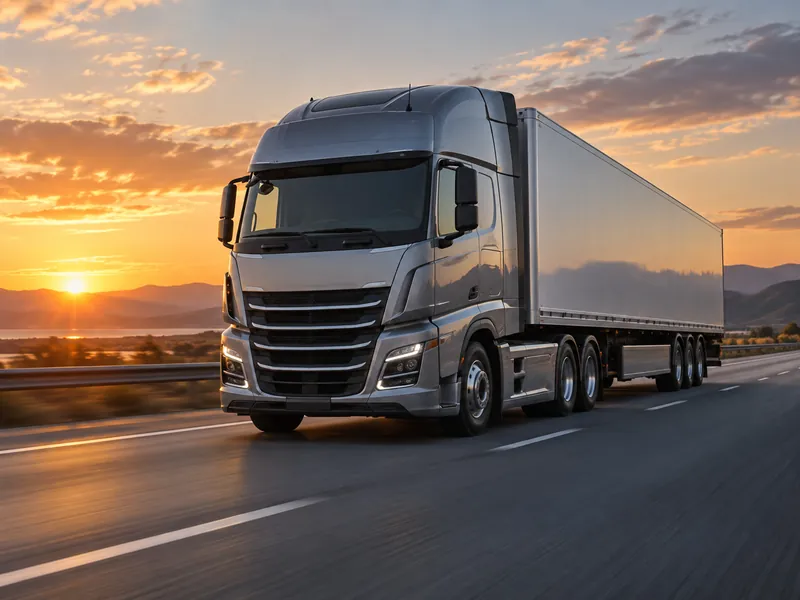
HOWO tends to be positioned around serviceability, concentrating engineering on powertrain durability and repairs that are typically straightforward to handle in the field. On remote sites, that simplicity plus dependable parts support is often what keeps a truck earning.
After-sales is where the purchase quietly succeeds or fails, so weigh the parts radius before the brochure. Both networks are broad internationally. The practical test is which brand can get a component and a technician to your site quickly, because downtime, not sticker price, is what erodes margin on a heavy truck.
Cost of ownership: acquisition vs lifecycle
Acquisition price is only the first cost variable, so confirm it against the specific model and your region instead of treating one brand as automatically cheaper. Buyers sensitive to upfront capital, especially small and mid-size fleets, often start with HOWO, but the delivered price still depends on configuration and market.
Lifecycle cost can shift the ranking, provided your duty cycle rewards the trait you pay for. On steady highway work, fuel efficiency and cab comfort can offset a higher entry price; on rough, stop-start, or overloaded work, durability and repair simplicity weigh more. Which truck is actually cheaper depends on the duty, so test the assumption against your own routes.
Treat total cost as the sum of variables you can measure, not a single headline number. The factors that decide lifetime cost are fuel burn for your specific duty, parts availability in your region, expected downtime, and resale in your market.
Which truck fits which operation
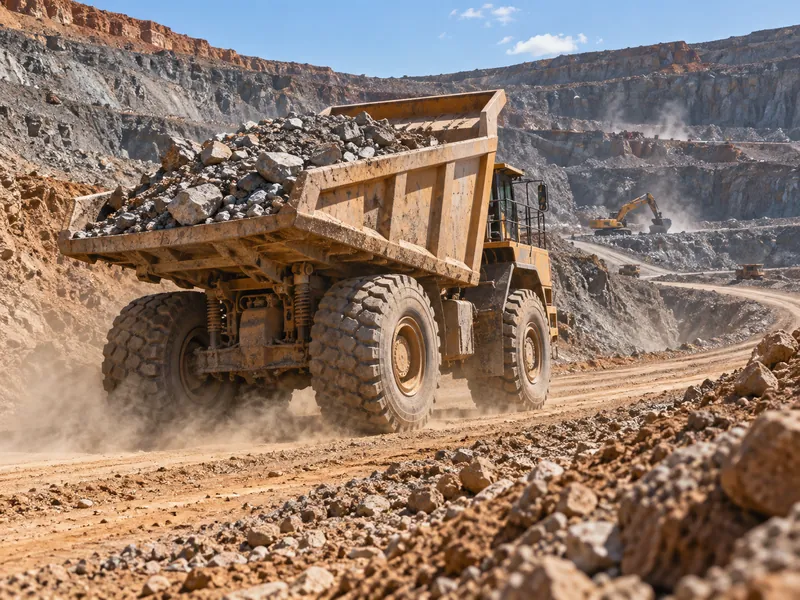
Match HOWO to work that is heavy, rough, and cost-sensitive. Its durability-first build and high-torque delivery are commonly chosen for mining, construction, bulk haulage, and overloaded rural roads, where a simple, dependable truck earns its keep.
Match FAW to work that is efficiency- and comfort-led. Long-haul corridors, urban and intercity logistics, and cold-chain routes tend to reward its fuel economy, cab refinement, and telematics, particularly for larger operators focused on driver experience and route data.
Let the harshest condition in your operation break the tie. A comfort-first highway fleet rarely gets full value from a mine-spec tipper, and a mine will punish a truck optimized for smooth highway running, so size the choice to the extreme, not the average.
Safety and emissions compliance
Emissions compliance is a registration and import gate, so confirm it before you compare anything else. New heavy-duty trucks built for the Chinese market meet the country’s Stage VI standard. As summarized by the ICCT and DieselNet standards references, China VI cut nitrogen-oxide and particulate limits by roughly 70% versus China V and effectively requires a diesel particulate filter. It applied to all new heavy-duty vehicles in stages, with China VI-a from July 2021 and China VI-b from July 2023.
Match that standard to where the truck will actually run, because the destination market sets the bar. Buyers importing into the United States must meet U.S. EPA emission rules, and EPA standards for heavy-duty engines and vehicles have changed in recent model years, so treat any specific model-year requirement as something to verify at the time of purchase. Confirm that the specific engine or VIN is certified to the emission rules of its registration country before you buy.
On active safety, the two brands differ in approach more than in intent. FAW emphasizes driver-assist and stability electronics, while HOWO emphasizes braking and body-structure robustness. For either brand, the useful check is whether the safety package and emission rating on the specific unit match your route and local regulations.
Conclusion
The decision between HOWO and FAW is a duty-cycle decision, so let your hardest operating condition choose. Lean toward HOWO when heavy loads, rough sites, and upfront cost define the job, and toward FAW when highway efficiency, cab comfort, and route telematics carry more weight. When an operation sits between those poles, resolve it by locking three variables first: worst-case load and grade, the parts-and-service radius on your routes, and the emission standard your registration market enforces. As a supplier of HOWO, FAW, and Shacman trucks with standard and custom configurations, we can help you match a spec to those constraints, not to a brand preference.
FAQ
Is HOWO more durable than FAW?
The truck that lasts is the one whose axle and power rating fit your worst-case load and terrain, so durability is a spec question before it is a brand question. HOWO is generally built around durability under heavy, rough-site stress, while FAW is engineered more around efficiency and cab refinement.
Which is more fuel efficient, HOWO or FAW?
Real fuel burn depends on load, gradient, driving style, and spec, so compare consumption on your own route, not on a single quoted figure. FAW is often positioned for highway fuel economy and a smoother ride, which suits long-haul and logistics duty, but confirm the number for the model you intend to run.
Which brand is easier to maintain outside China?
Parts radius and nearby service points decide maintenance effort more than the brand name does. HOWO’s repairs are often straightforward in the field, and FAW’s networks are also broad internationally, so confirm which brand actually keeps spares in your region and has a service point you can reach before deciding.
Should I pick HOWO or FAW for mining and construction?
Match the choice to load and grade: HOWO is commonly chosen for mining and construction because its durability-first build and torque delivery suit heavy loads and harsh sites. FAW can still serve site-support and haul roles, so verify the model’s axle and power rating against your worst case either way.
Do HOWO and FAW meet the emission standard I need to register or import?
New units built for China meet the country’s Stage VI standard, but registration depends on your destination market’s rules. Confirm that the specific truck is certified to the emission standard of the country where you will register or import it, including current U.S. EPA requirements if you are importing into the United States.
Further Reading
- China: Heavy-duty: Emissions (TransportPolicy.net) — ICCT/DieselNet standards reference. Supports the China VI implementation dates and NOx/PM reduction figures used in the emissions section.
- Emission Standards: China: Heavy-Duty Engines (DieselNet) — Standards aggregator. Details the China VI limits and DPF requirement behind the compliance discussion.
- Regulations for Smog, Soot, and Other Air Pollution from Commercial Trucks & Buses (U.S. EPA) — Government source. Supports the U.S. import-and-registration compliance point for buyers in the United States.