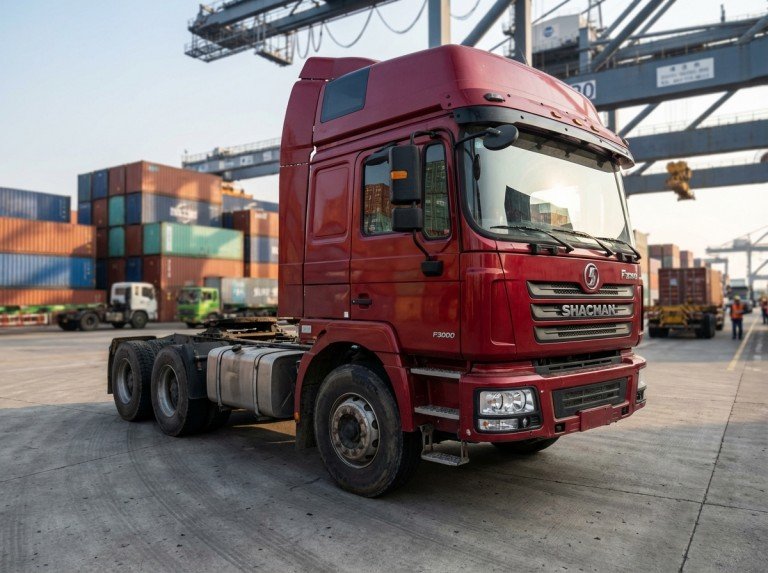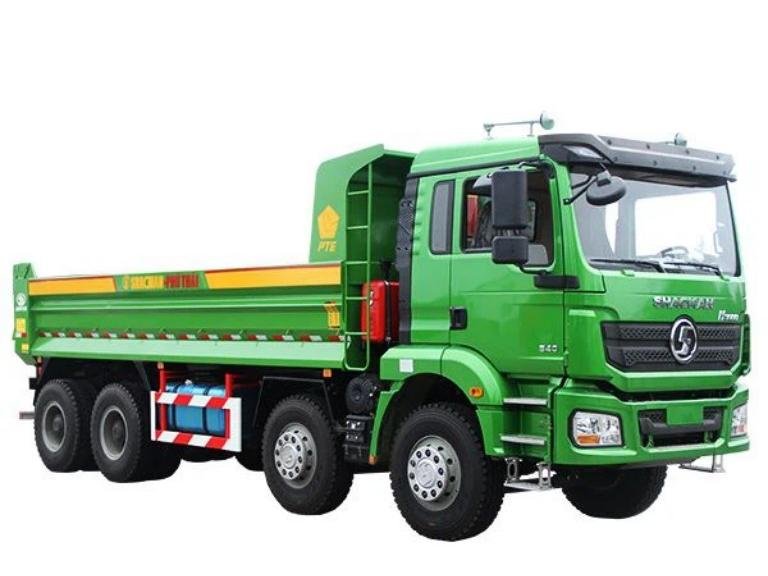
Key safety features on Shacman dump trucks cover six areas. These are structural protection, braking control, and stability. They also include visibility aids, dumping safeguards, and driver ergonomics.
At HOWO Special Truck Ltd, we are a Shacman export agency service provider. We often “lock in” safety features during the configuration stage. This happens before the truck reaches a jobsite.
Shacman dump truck safety features keep the cab intact. They keep braking consistent under heavy loads. They also keep the truck stable on uneven ground. Finally, they reduce blind-spot and tipping risks during work cycles.
Table of Contents
What Makes Dump-Truck Safety Different in Construction and Mining?
Dump-truck safety is different for two main reasons. The payload height and center-of-gravity change constantly. Also, the truck works in tight sites with mixed traffic. A dump truck also faces long descents and frequent stops. It drives on uneven terrain. These factors increase brake heat, skidding, and rollover risk.
That’s why Shacman safety features must cover both road driving and dumping operations. They go beyond just standard highway conditions.
Structural Safety and Cab Protection
High-Strength Frame and Chassis Integrity
A strong chassis is the base safety structure. It keeps the truck’s geometry stable under heavy loads. On dump trucks, twisting from uneven ground can stress the frame. It can also stress suspension mounts and the body subframe.
In export configurations, we focus on frame material grade and crossmember layout. We also reinforce high-stress zones. This reduces fatigue cracks and sudden structural failure.
Reinforced Cab Structure
The cab is the driver’s survival space. So, the cab structure is as important as the brakes. A reinforced cab is designed to protect the living space in severe impacts and rollovers. This includes high-strength pillars and load paths.
Some Shacman platforms use cab strength ideas aligned with crash rules. For example, they follow ECE R29-style thinking. We look for this when customers prioritize occupant protection.
Dump Body and Subframe Support
The dump body system is part of safety. Body deformation can cause loads to hang up or shift suddenly. This can lead to unstable tipping. A proper subframe, hinge points, and hoist mounts help keep unloading predictable. A good tailgate locking strategy also helps.
For rough materials like rock, we also consider wear zones. These zones can weaken the body and change how the load flows over time.
Braking Safety and Brake Coordination Control
Service Braking Hardware
The service brakes are the primary “stop now” system. Heavy loads turn braking into a heat-management problem. Brake size, friction material matching, and thermal capacity keep stopping behavior consistent.
When trucks run steep slopes or haul full loads often, stable braking feel is key. It matters as much as peak braking force.
ABS + EBS
ABS helps you keep steering control during emergency braking. It prevents the wheels from locking. If a truck has EBS, it can improve brake response and control logic. This is better than purely air-based control, especially with changing axle loads.
This is one of the most practical safety upgrades for mixed-use trucks. It is useful where road grip changes quickly.
Engine Brake / Retarder Linkage
Auxiliary braking helps you control speed without overheating the service brakes. An engine brake and a retarder reduce brake fade risk on long descents. They also lower wear on the main friction brakes.
This is a very valuable safety feature for mining routes. It is also great for mountainous construction areas.
Brake Air Management and Monitoring
Air-brake performance depends on air quality and stable pressure. An integrated air dryer and good system sealing help maintain braking consistency. Cold-weather-friendly routing also keeps response time quick.
We also recommend clear in-cab monitoring for low-pressure warnings. A late warning can lead to late braking.
Stability, Rollover Risk Control, and Load Behavior
Electronic Stability Control
ESC helps prevent loss of control. It uses braking and engine torque when the truck starts to skid. On dump trucks, it is very valuable during evasive moves or on slippery roads. It also helps when moving from a worksite to a public road.
ESC is not a license to overload or corner too fast. But it is a good safety net when conditions change suddenly.
Suspension and Axle Setup
The suspension and axle layout affects how well tires grip the road. It also controls how much the truck’s body rolls. A properly matched suspension reduces sway under load. It also improves steering stability on uneven surfaces.
This is important when the payload is high or not evenly spread.
Load Distribution and Overload Protection
A dump truck does not tie down cargo like a flatbed. But the load’s behavior still needs to be controlled. Core safety practices include even load distribution and avoiding overload. Some fleets also choose payload monitoring options when available.
An unbalanced load raises rollover risk. It also increases stress on brakes and axles, which can cause failures.
Dumping Safety Interlocks
Dumping is a unique hazard. The center of gravity rises and shifts as the body lifts. Features like body-up alarms and PTO interlocks reduce the risk of tipping. They help prevent raising the body at an unsafe speed or on bad ground.
We also treat “site condition rules” as part of safety. Dumping on a slope or soft ground defeats even the best hardware.
Visibility and Site-Awareness Systems
Mirror Layout and Blind-Spot Coverage
Blind spots are a major cause of site accidents. A good mirror package includes wide-angle and convex mirrors. They cover near-side and rear corners.
We prioritize mirror coverage that helps with low-speed driving near workers and equipment. This is just as important as highway lane visibility.
Reverse Camera / 360 View
Cameras reduce the risk of reversing. They show areas that mirrors cannot fully cover. A reverse camera (or 360 system) is most valuable in tight sites. It is also useful for night work and in areas with people and vehicles.The goal is simple: fewer surprises when turning or backing up.
Lighting Package (Low Beam/Fog/Work Lights)
Lighting is active safety. It helps the driver see hazards early. Upgraded low beams, fog lights, and work lights improve visibility. They help in dust, rain, and at night.
Clear windshield systems are also important. This includes wipers, washers, and defogging. If you can’t see, you can’t avoid a problem.
Driver Ergonomics and Human
Seating, Pedal, and Steering Adjustability
Ergonomics is safety. Fatigue leads to late braking and poor judgment. Adjustable seating and steering help drivers keep a stable posture. They also improve control.In long-shift fleets, better ergonomics often reduce minor incidents. This happens long before it shows up in accident data.
Cab Noise/Vibration Control
Noise and vibration increase fatigue. They also reduce attention, especially on rough sites. Better cab isolation and NVH control help drivers stay alert. This allows them to read the vehicle’s behavior more accurately.This is a safety feature that operators feel every hour.
Controls and HMI Layout
A clear instrument layout reduces “wrong switch” mistakes. We prefer setups where critical warnings are easy to see and hard to miss. This includes braking and stability alarms.In emergencies, simple interfaces save seconds.
Quick Spec Checklist We Use for Safety
- Heavy loads + long descents: prioritize auxiliary braking (engine brake/retarder) + stable brake hardware.
- Mixed road + slippery season: prioritize ABS + (optional) EBS + stability control (ESC where available).
- Tight jobsite reversing: prioritize blind-spot mirrors + reverse camera/360 + work lights.
- High rollover exposure: prioritize ESC + suspension/anti-roll behavior + strict payload discipline.
- Frequent dumping on varied ground: prioritize dumping safeguards (alarms/interlocks) + body/subframe matching.
Which Features Matter Most by Scenario
Scenario | Top safety features to prioritize | Why it matters |
|---|---|---|
Long downhill hauling | Auxiliary braking + robust service brakes | Prevent brake fade and keep speed controlled |
Slippery roads / rain season | ABS/EBS + ESC + lighting | Keep steerability and stability when grip drops |
Tight construction sites | Mirrors + camera systems + work lights | Reduce blind-spot strikes and backing incidents |
Uneven haul roads | ESC + suspension setup + payload discipline | Lower rollover tendency and maintain tire contact |
Frequent dumping cycles | Dumping safeguards + matched body/subframe | Reduce tip-over and unpredictable load shift |
Conclusion
As HOWO Special Truck Ltd, we see one pattern in our export projects. Safety improves fastest when you match features to the real jobsite. A “safe Shacman tipper truck” is not one single option. It’s the right mix of structure, braking, stability, visibility, and dumping safeguards.
If you configure your truck for your highest-risk scenario first, you get a safer truck. It also becomes easier to operate day after day.
FAQ
What are the most important Shacman dump truck safety features to prioritize first?
Prioritize braking control and stability first, then visibility. Brakes and stability protect you in high-energy events. Mirrors and cameras prevent common low-speed site incidents. Your route should decide if you need auxiliary braking.
Is ABS enough, or should I specify EBS as well?
ABS is the baseline. EBS is a good upgrade when loads and road conditions vary. ABS prevents wheel lock. EBS can improve response and control logic. Availability depends on the model and export configuration.
How do Shacman dump trucks reduce rollover risk?
They reduce rollover risk through stability control (where available) and a proper chassis/suspension. These systems help when the truck becomes unstable. But they cannot fix unsafe loading, speeding, or dumping on bad ground.
Why do dump-truck “dumping safeguards” matter as much as road safety features?
Because the center of gravity is highest when raising the body. Alarms and interlocks help prevent raising the body at speed or on unstable surfaces. Good dumping habits are still essential.
Do cameras replace mirrors on a dump truck?
No—cameras help mirrors; they don’t replace them. Mirrors give constant, real-time awareness. Cameras cover blind zones and reduce reversing risk. Using both together is the safest approach on construction sites.