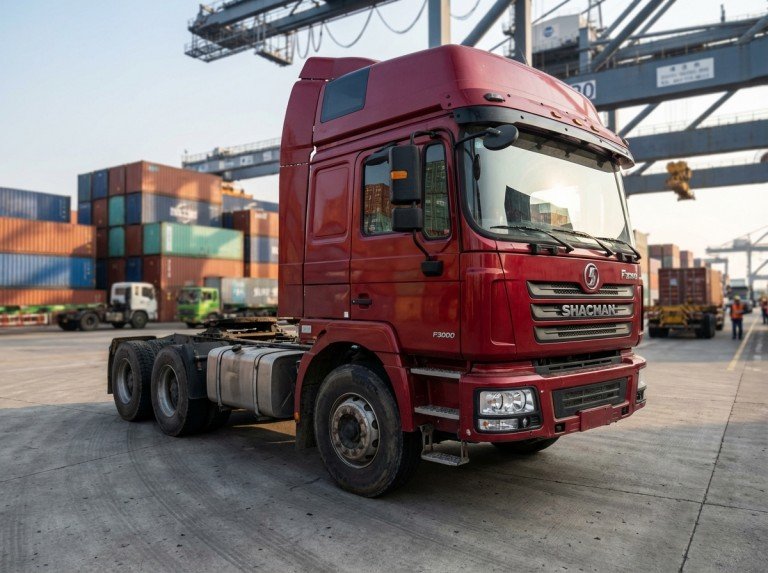
SHACMAN heavy duty truck can last 10–15 years or more. This happens when it runs in its duty cycle. It also needs a strict preventive maintenance plan. In reality, the true lifespan is not one number. It comes from how you load it. It depends on how you operate it. It relies on how you maintain it. It also counts on how harsh your site is.
This guide explains lifespan with easy field metrics. It uses a simple management framework. You will learn what lifespan means for your work. You will see what shortens it. You will find high-impact habits to extend it. These habits work without guesswork.
Table of Contents
What Does Lifespan Mean for SHACMAN Dump Trucks?
Measure a dump truck’s lifespan by years, kilometers, and engine hours. Do not use years alone. Service life has two parts. Mechanical life means it can be fixed to run. Economic life means it makes sense to keep it.
Years vs Kilometers vs Engine Hours
For heavy work, engine hours predict wear best. This beats mileage. A truck can crawl on a mine road for long shifts. It builds huge engine hours. Yet it has low kilometers. This pattern stresses the cooling system. It loads lubrication. It hits air filtration. It strains driveline joints. It wears braking parts. Mileage tracking alone misses this.
Use this rule. Track all three metrics. Base maintenance on the fastest rising one. Base lifecycle choices on it too. For many dump fleets, this is engine hours. It includes duty cycle. It is not distance.
Set your reports around daily hours. Add weekly load cycles. Include monthly downtime events. Map these to the truck’s manual service schedule.
Mechanical Life vs Economic Life
Mechanical life asks this. Can you fix it to run safely? Economic life asks this. Should you fix it? Think about the cost. Consider the downtime risk.
A dump truck often gets old economically first. This beats mechanical death. The tipping point comes when repairs cluster. Each failure causes more wear. A brake issue turns into a hub issue. A cooling problem risks a head gasket. Dust ingestion leads to an engine overhaul.
The goal is not max years at any cost. The goal is max uptime. It is low cost-per-hour. This lasts across the years you keep the truck.
Expected Lifespan Range for SHACMAN Dump Trucks
A well-kept SHACMAN dump truck reaches 10–15 years or more. This assumes normal conditions. The truck is not overloaded often. Maintenance happens on time. Dust and water are controlled.
Your real lifespan can shift up or down. This depends on work severity. It relies on preventive maintenance consistency.
Normal Duty vs Severe Duty
Normal duty means paved roads. It includes stable roads. It has controlled loads. It uses predictable cycles. Severe duty includes mining. It has high dust. It features poor roads. It involves steep grades. It means heavy stop-and-go. It includes extreme temperatures.
Severe duty does not ensure shorter life. But it cuts your margin. Small service delays cause big issues fast. Poor filtration does too. In severe duty, tighten your plan. Make daily inspections required.
Think in ranges, not promises. For severe work, plan shorter economic life. Do this unless you have discipline. You also need a support network.
Understanding the Rising Cost Curve
The cost curve shows rising costs each year. Maintenance costs go up faster. Downtime costs rise too. It appears as more small failures. It shows longer repair times. It means higher parts use. It includes more unplanned downtime. It causes more secondary damage. This happens from running with a problem.
Monitor downtime hours. Track repair spend per hour. You can spot the curve early. React soon to control the slope.
Key Factors Causing Early Wear in SHACMAN Trucks
Early wear comes from three areas. These are truck use, maintenance, and run location. Control these to let the design shine. The truck shows its full value.
Usage Pattern: Load, Terrain, Cycles
Overloading kills lifespan fast. It stresses the chassis. It hits suspension. It wears tires. It strains braking. It loads drivetrain. The engine may feel strong. But the system pays.
Terrain matters as much as weight. Cycles do too. Rough roads amplify shock. Constant starts and stops add heat. Long idling builds soot. Low-speed work increases thermal stress. This depends on setup. It relies on operator behavior.
For longer life, manage load discipline. Plan cycles. Reduce idle when possible. Control speed on rough roads.
Maintenance Discipline: Missed Intervals and Poor Consumables
Maintenance discipline means right tasks on time. Use correct consumables. Follow procedures. Delayed oil changes age trucks early. Neglected filtration does too. Inconsistent lubrication hurts.
Do not use fixed online schedules as main guide. The truck manual is the base. Your duty cycle sets tighter intervals.
A common hidden issue is this. Maintenance seems done. But details were missed. Wrong oil grade hurts. Cheap filters with poor flow harm. Missing grease points damage. These errors hide at first. But they cut life fast.
Environment: Dust, Heat/Cold, Corrosion
Environment causes contamination. Dust attacks air filtration. It causes engine wear. Water hits injectors. Poor fuel quality does too. It attacks corrosion points. Humidity speeds chassis corrosion. Coastal air does this too. Cleaning must be consistent. Protection is key.
Extreme heat stresses cooling. It breaks fluids faster. Extreme cold hits batteries. It affects fluid thickness. It hurts starting. Environmental stress can be constant. It does not need to be extreme to cost.
For dusty sites, filtration guards lifespan. Sealing does too. For humid sites, cleaning prevents corrosion. Protection is key.
Preventive Maintenance Plan to Extend SHACMAN Truck Life
Extend service life with a manual-first schedule. Add a short daily inspection. You do not need fancy tech for most gains. But apply basics every time.
Manual-First Intervals
Follow the official schedule. Base it on kilometers and engine hours. Use the first trigger. For severe service, shorten intervals. Contamination rises. Heat loading increases.
Do not build your plan on one number for all trucks. Same models can differ. Routes vary. Loads change. Idle behavior differs. Operators vary.
A simple fleet practice sets three bands. Normal duty uses manual schedule. Moderate severe duty shortens key consumables. Heavy severe duty boosts filtration. It increases lubrication. It adds inspections.
This builds consistency. It does not assume all sites match.
Daily 10-Minute Walk-Around
A 10-minute walk-around stops small leaks. It prevents big failures. It catches safety issues early.
Use a set pattern. Check leaks under engine. Inspect transmission. Look at hydraulic points. Check tires for pressure. Spot sidewall damage. Look for loose fasteners. Note odd suspension posture. Confirm lights. Check warning indicators. Verify braking. Test air system before heavy work.
This habit pays well. It cuts downtime costs. These exceed inspection time.
Top Priorities: Fluids/Filters, Cooling, Lubrication
Most costly failures start here. These are three areas.
Fluids and filtration guard moving parts. They protect precision components. Engine oil matters a lot. Fuel filtration is key. Air filtration quality counts. They keep the engine clean inside.
Cooling health lets the engine run cool. It avoids stress. Overheating cuts life fast. Check coolant condition. Clean the radiator. Watch fan and belt. These control lifespan.
Lubrication points keep joints tight. They guard driveline parts. Missed greasing wears one joint. It causes vibration. This leads to misalignment. Everything around wears.
Further Reading: How to Maintain a Shacman Dump Truck?
When to Repair or Replace Your SHACMAN Dump Truck?
As a truck ages, smart operators act early. They do not wait for total failure. They watch signals. They decide on cost. They think about uptime risk.
Early Warning Signals That Predict Big Failures
Early signals are changes. They are not single events.
These include new noises under load. Power loss appears. Smoke patterns change. Overheating trends show. Vibrations happen during acceleration. Shifting causes issues. Air system recovery slows. Braking feel shifts. Stopping distance grows. Fluid use rises. Filters clog often in dust.
A signal helps if it leads to action. Detect a change and inspect now. Fix the cause while small.
Use this signal → risk → action table as base. Adjust to your manual. Fit it to site conditions.
| Signal you notice | Likely risk if ignored | First action to take |
|---|---|---|
| Rising coolant temp under the same load | Overheat damage and accelerated wear | Inspect cooling system, radiator cleanliness, coolant condition |
| Power drop + new smoke behavior | Fuel/air issues, poor combustion, engine stress | Check air intake sealing, filters, fuel quality and filtration |
| Vibration or harsh shifting | Driveline wear and transmission stress | Inspect U-joints, mounts, driveline angles, fluid condition |
| Longer stopping distance or air issues | Brake system wear and safety risk | Leak check, moisture control, brake inspection and adjustment |
Simple Decision Rule for Major Repairs
Judge major repairs on money. Think about downtime risk. Compare one repair to truck value. Think about remaining life in your cycle.
Fleets use the 50% rule. If one repair nears half the market value, evaluate replacement. Do this if annual repairs hit that scale often. Consider planned overhaul instead of reactive fixes.
Do not apply it without thought. Think about truck importance. Check for downtime backups. See if repair resets once. Or if systems age together. Check parts access in your area. Service reliability matters.
The best replace time is not after worst breakdown. It is when the cost curve is clear. You can avoid it.
Conclusion
Understand a SHACMAN dump truck’s lifespan as managed. It is not fixed. Under normal use with good maintenance, operators see 10–15 years or more. Harsh cycles shorten economic life. This happens without strong discipline. Contamination control must be good.
For best results, define lifespan with years, kilometers, engine hours. Manage three wear drivers. These are usage, maintenance, environment. Run a manual-first plan. Add daily inspections. This guards uptime. It cuts total cost. It keeps the truck productive. This lasts as long as it makes sense.
Further Reading: How Reliable Are Shacman Dump Trucks?
FAQ
What is the typical lifespan of a SHACMAN dump truck?
A well-kept SHACMAN dump truck reaches 10–15 years or more. This fits normal duty cycles. Your result depends on work severity. It relies on load discipline. It counts on preventive maintenance consistency.
Which is the best metric to track: years, kilometers, or engine hours?
For many dump operations, engine hours explain wear best. Duty cycle helps too. This beats years alone. Track all three. Base service on the fastest rising metric. Base lifecycle choices on it.
How do I adjust maintenance for severe service conditions?
You run in dust or extreme heat. You face cold or poor roads. Heavy cycles apply. Tighten your plan around filtration. Focus on lubrication. Add inspections. Use the manual as base. Shorten intervals for severity. Do not use one fixed schedule.
What maintenance habits have the biggest impact on service life?
High-impact habits include on-time fluids. Change filters. Check cooling system health. Grease critical points. Do a daily 10-minute walk-around. These stop small problems. They prevent costly failures.
What early signs mean I should take action immediately?
Act on trends like rising temperature. Note new noises under load. Spot power loss. Feel vibration. See shifting changes. Watch braking changes. Air system issues matter. Early inspection saves money. It stops secondary damage.
When is it more economical to replace rather than repair?
Replacement looks better when costs rise each year. Downtime grows too. A major repair nears a big share of value. Annual repairs trend high to worth. Evaluate replacement then. Consider planned overhaul strategy.